
Approved Continuing Education for Psychologists, Counselors, Social Workers, Marriage & Family Therapists, and Other Healthcare Professionals
***
Approved Continuing Education for Psychologists, Counselors, Social Workers, Marriage & Family Therapists, and Other Healthcare Professionals ***
Smoky Mountains Symposium
on
Relational Trauma
When the Work Gets Complex, Your Training Should Match
For therapists who want depth, refined clinical skills, and tools they can use immediately

Join us for three days of continuing education integrating evidence-based approaches with real-world clinical application in betrayal trauma, CPTSD, intimate partner violence, and complex relational work.
Up to 23 hours In-Person and 20 hours Virtual
American Psychological Association
Association of Social Work Boards
New York Education Department's State Board for Social Work
New York Education Department for Licensed Mental Health Counselors
New York State Education Department's State Board for Psychology
New York Education Department's State Board for Marriage and Family Therapy
National Board for Certified Counselors Co-Sponsorship
More CE Information here
Questions? Email LaDonna contact@ladonnacarey.com
Meet Your Speakers
-
![]()
LaDonna Carey, MA Safety First and Forget Forgiveness?
-
![]()
Jenny Hughes, PhD Vicarious Resilience: Sustaining the Therapist in Trauma Work
-
![]()
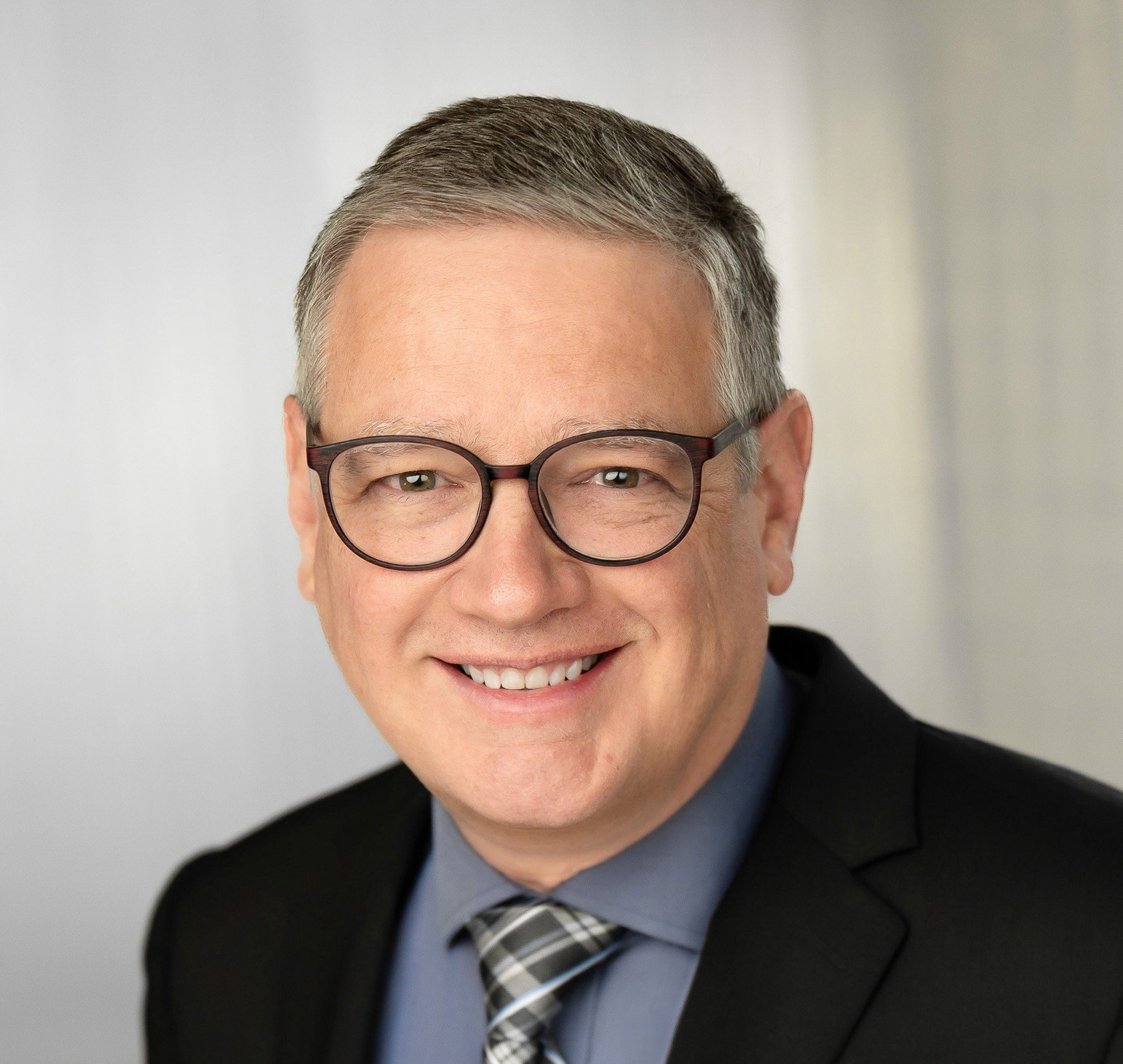
Thomas Zimmerman, LPCC Predictive Processing Flash
-
![]()
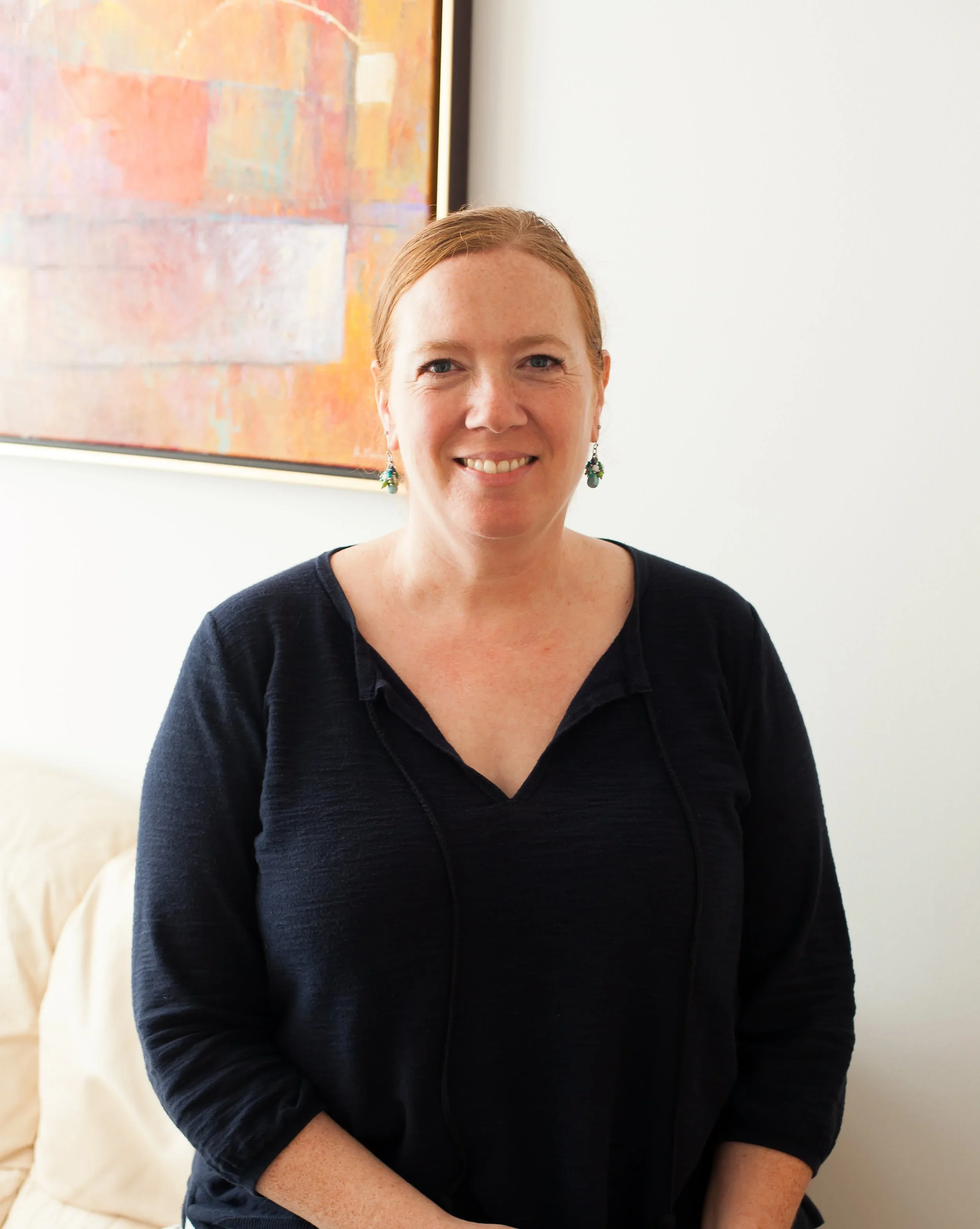
Laura Reagan, LCSW-C Systemic Betrayal of Trauma Clients
-
![]()
Anjahni Davi, LMFT Type Talk: Introduction to the Enneagram
-
![]()
Rachael Britton, PsyD Unmasking Disgust: Navigating Trapped Emotions in Trauma Therapy
-
![]()
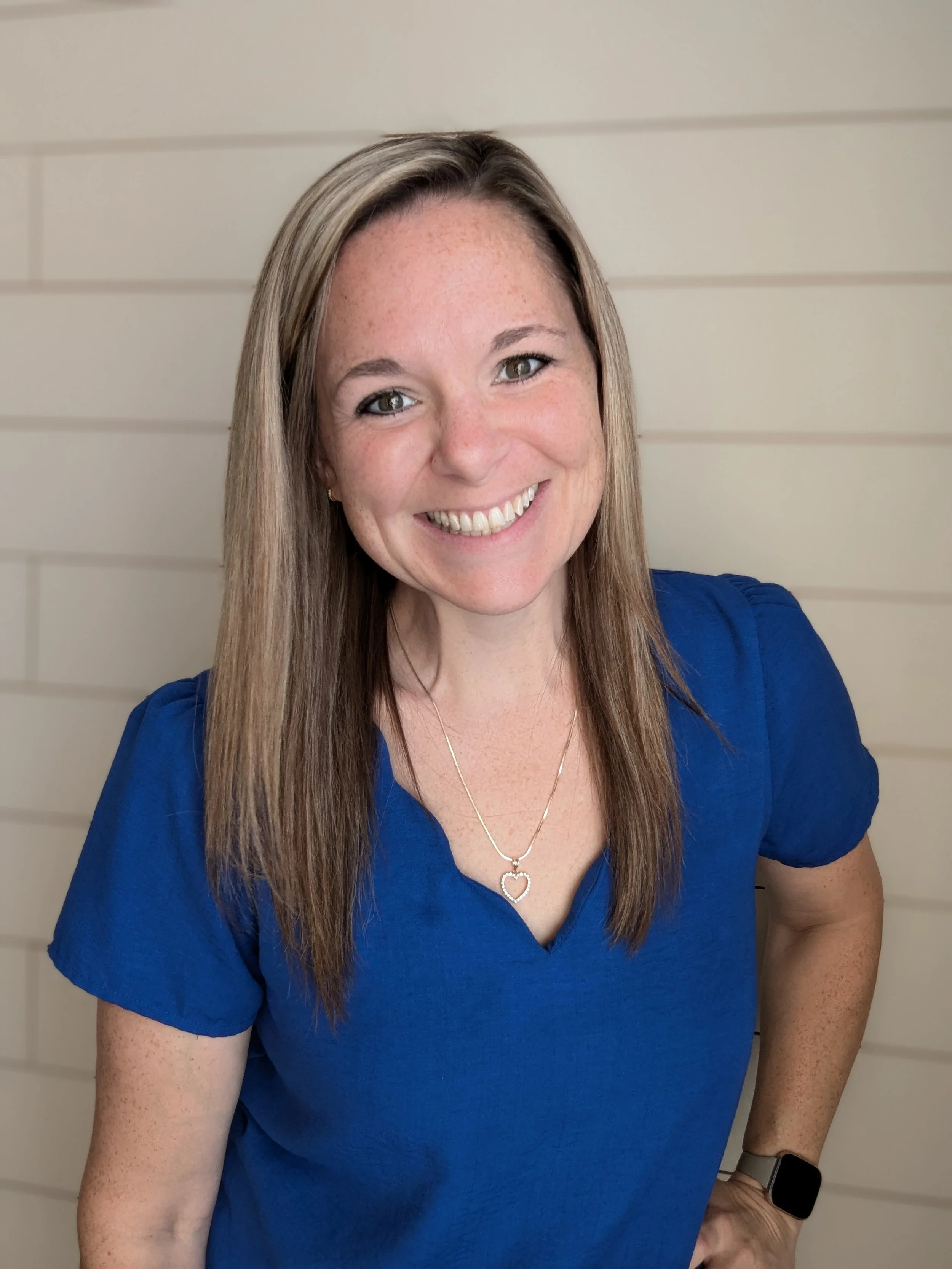
Jennifer Parker, MSSW Healing from Coercive Control
-
![]()
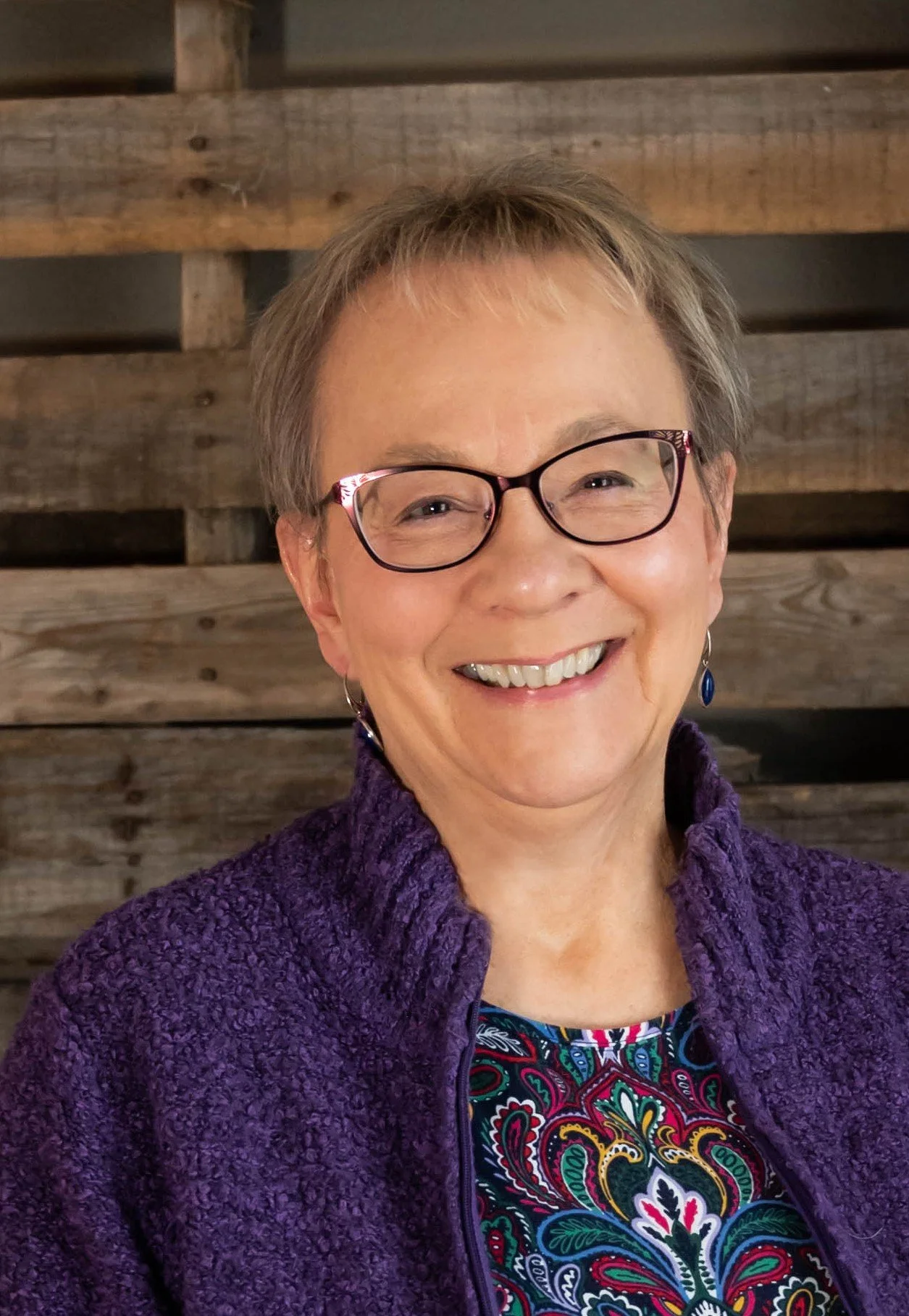
Rhonda Noordyk Event Manager




What Training Attendees Are Saying
“What a presenter! She is engaging, knowledgeable and witty. I loved her sharing real experiences and giving tools and tips on how to approach couples work. Loved all the book recommendation and openness to discussion.”
“I nearly skipped this session because I am not a couples counselor, but I am SO GLAD I didn't. LaDonna was engaging, entertaining, and so knowledgeable. I learned a lot about Critical Discourse Analysis, which I believe can be applied very well as a therapist specializing in BPD. Accountability is difficult for many of my clients and LaDonna provided some great tools in finding the verbiage to challenge clients on owning their own impulsive behaviors. I would listen to LaDonna train on ANYTHING.”
"Wow. Absolutely eye-opening. Addressed aspects of abuse that are not usually considered abuse or recognized."
Jennifer has great handouts to use with clients."
"The course surpassed my expectations! Excellent content, great book & reading materials, formats used were super conducive for learning, learned from other participants, etc. Really enjoyed this learning experience & highly recommend it to others!"
"A couple of days ago I read the Bricks of Isolation list to a 17 year old and her mom. She was able to make connections on a deeper level. If that is the only time I use the book that is enough. (it won't be)".
Check out all of our speakers below!
“The information was relevant, helpful, insightful, and nuanced in a way that is difficult to achieve in a 2hr timeframe- I appreciate the content and the presentation!”
"Jenny is an absolute gem. She breaks down complicated topics and delivers them with ease. She is approachable, authentic, warm, and deeply passionate about creating safe spaces where trauma clinicians can support one another."
"I loved Jenny’s authenticity in her approach, especially the personal stories she shared. Her vulnerability opened a window for members of my team to allow themselves to be vulnerable as well. Her ability to build community through mutual respect and vulnerability is a masterful skill when working with a new group of people."
“This was so interesting! Disgust is rarely discussed! I learned a lot and am excited to incorporate aspects of this into my work.”
This was such an interesting topic that I had never encountered before. Thank you for providing such valuable information!
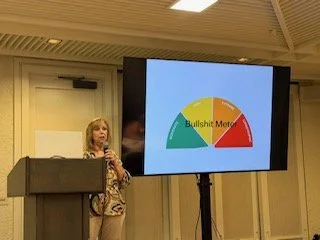

Presentations October 21
LaDonna Carey, MA
1 hour Ethics


Safety First
This training focuses on the initial phase of treatment, emphasizing structured approaches to assessment, stabilization, and ethical decision-making. Participants will apply the SAFE Blueprint™ framework alongside Psychological First Aid (PFA) principles to guide early intervention, support emotional regulation, and determine readiness for relational work.
Participants will leave with practical strategies for supporting clients in the immediate aftermath of betrayal, including safety-oriented intake practices, stabilization techniques, and clear frameworks for navigating complex relational dynamics.
Learn More about LaDonna
Jenny Hughes, PhD
2.5 hours Ethics
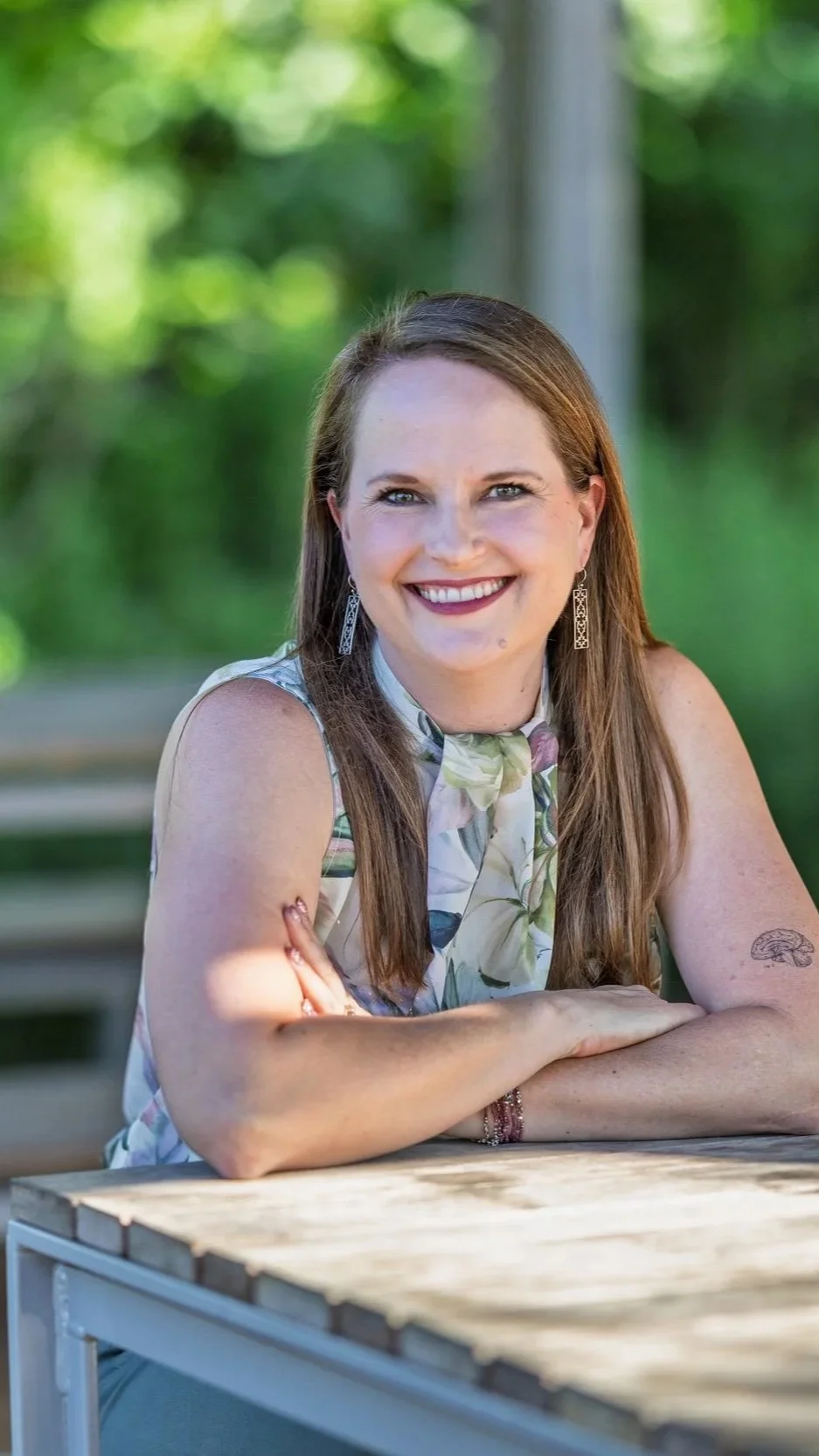
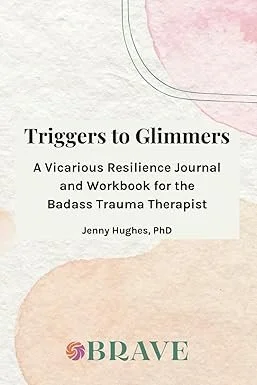
This continuing education program is designed for healthcare providers (e.g. mental health professionals, medical professionals, paraprofessionals, educators, etc.) seeking to deepen their understanding of vicarious trauma and vicarious resilience through an evidence-based lens. Participants will explore research-backed practices for recognizing the effects of trauma work on themselves and their clients/patients, with an emphasis on identifying signs of vicarious trauma along with indicators of vicarious resilience. This training gives providers the tools to manage the emotional demands of their work while enhancing their effectiveness in delivering evidence-based treatments for trauma and PTSD.
Participants will engage in practical exercises, case discussions, and create a personalized resilience plan to ensure that resilience practices are sustainable and applicable to both their clients/patients and themselves.
Learn More about Jenny
Thomas Zimmerman, LPCC
3 hours + Bonus Evening Session
(Evening Session available only for On-Site Participants)
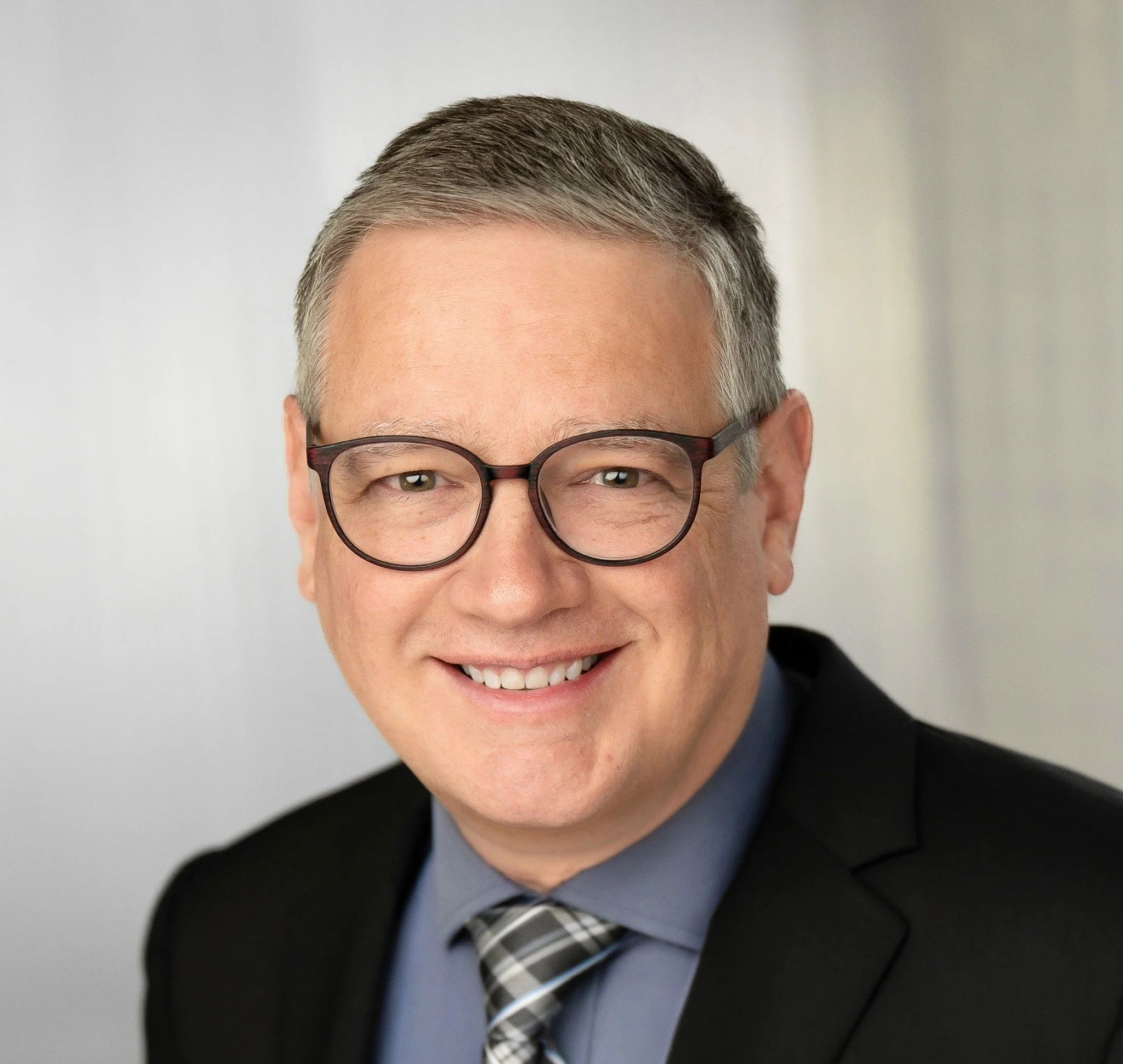
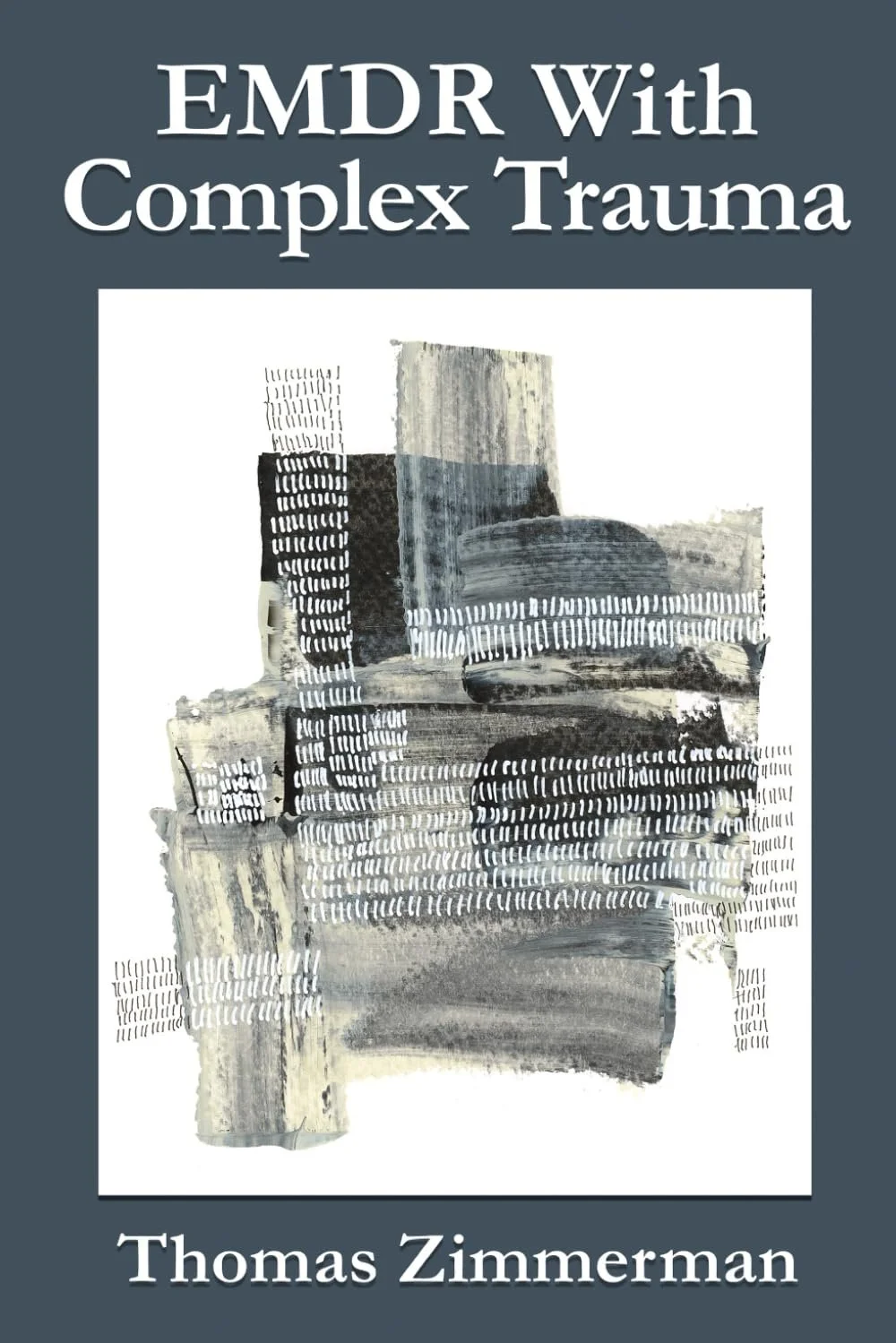
Predictive Processing Flash: An Open Approach To Trauma Reprocessing
Flash emerged nearly a decade ago as a discrete and innovative technique in EMDR therapy to help reduce the distress in a memory to make it more tolerable for client processing inside EMDR therapy. It has since been developed into an independent way for any therapist to engage in direct trauma work in ways that are much less intensive and more tolerable than in more standard approaches.
Flash is much easier to learn than other approaches to direct trauma work. Flash involves a combination of strategies that encourage the client to microactivate a tiny piece of a difficult memory and immediately pivot to a positive experience (such as watching pleasant or humorous YouTube video).
The version of Flash that is taught in this training was developed specifically for clients with complex trauma and should enable therapists to begin using it with clients immediately after the training, starting with smaller client experiences first.
This version of Flash is conceptualized using the Predictive Processing Framework, a newer reconceptualization of brain functioning that is becoming the dominant view across many fields of neuroscience.
Flash is used regularly by a significant percentage of EMDR therapists globally to help clients more easily tolerate memory processing.
Presentations October 22
Laura Reagan, LCSW-C
2.5 hours
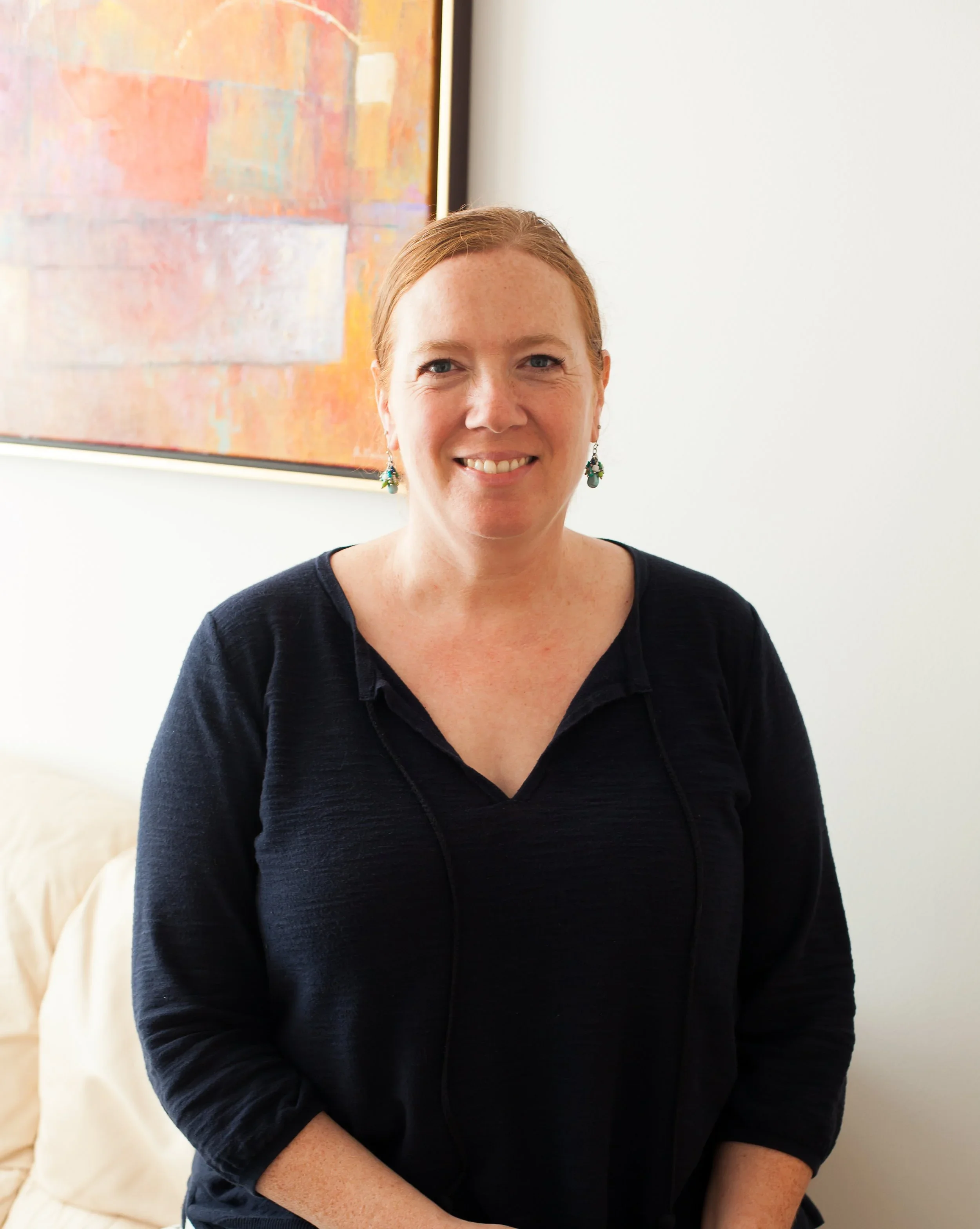
The Systemic Betrayal of Survivors of Abuse
Systems people rely on for safety, protection, and fairness can take on an attachment-like role. These include families, communities, and formal institutions such as healthcare, legal systems, and mental health services.
When harm occurs within these contexts, the impact extends beyond the initial event. It disrupts trust, alters perception, and often leads to a compounded form of trauma shaped by both the experience itself and the response that follows.
Recent psychotherapy research highlights that survivors of interpersonal violence benefit from trauma-focused treatments, while also reporting that treatment becomes less effective when it feels rigid or disconnected from their lived experience.
At the same time, qualitative findings show that clients experience therapy as harmful when they feel misunderstood, over-directed, or shaped to fit the treatment rather than having the treatment adapt to them.
This training examines how systemic betrayal, particularly in the context of sexual violence, creates layered trauma and mistrust. It also addresses how clinical responses can either reinforce that mistrust or begin to repair it. Emphasis is placed on stabilization, restoration of self-trust, and supporting survivors in navigating systems with clarity and agency.
Rachael Britton, PsyD, LP
2.5 hours
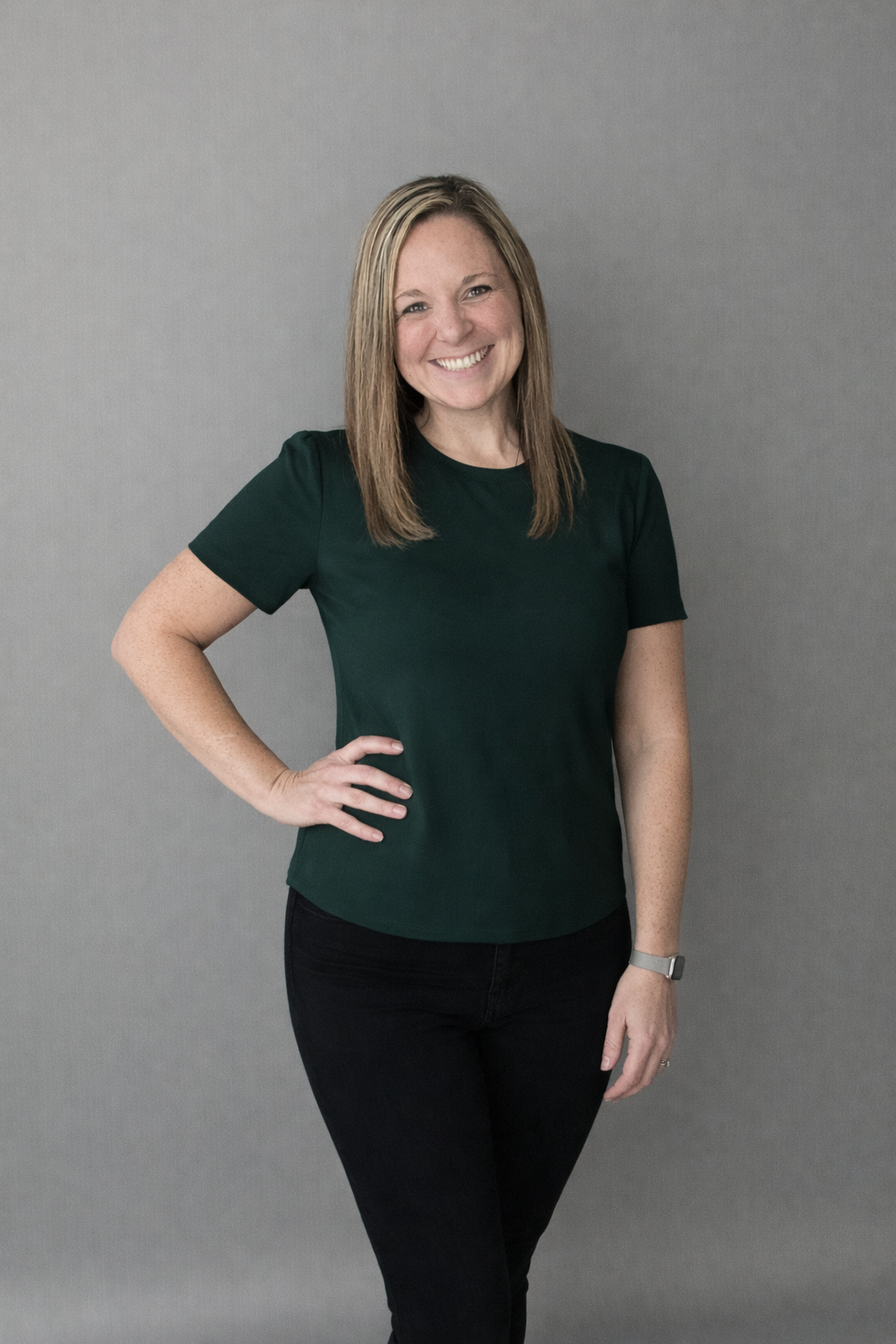
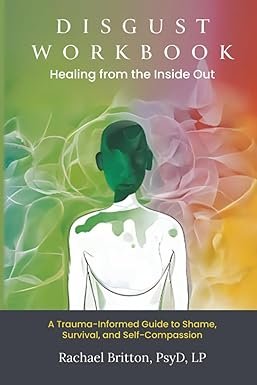
Unmasking Disgust- Navigating Trapped Emotions in Trauma Therapy
Disgust is a fundamental but often overlooked emotion in trauma treatment. This continuing education(CE)course explores the neurobiological, psychological, and sensory dimensions of disgust in trauma survivors.
Participants will examine how disgust manifests in the body, contributes to shame and self-perception, and influences avoidance behaviors. Through evidence-based interventions, including somatic approaches, EMDR, and parts work, clinicians will gain practical strategies to help clients process and integrate disgust-based trauma.
Case studies, ethical considerations, and therapist self-awareness will be incorporated to ensure trauma-informed and culturally responsive care.
Jennifer Parker, LCSW
2.5 hours


Recognizing and Responding to Coercive Control: A Structured Clinical Framework
Jennifer offers an overview of seven interventions she found effective for survivors of intimate partner abuse. Her framework equips clinicians with a cohesive structure for assessment and survivor care.
The second half of the training focuses more deeply on interventions called “End the Silence,” which guide survivors out of confusion, shame, and self-blame,. By naming their partner’s behavior, recognizing the impact of boundary violations, and identifying their particular vulnerabilities, survivors learn how to reclaim their agency.
Discussion of live or video role-plays will strengthen participants’ ability to apply these interventions with clinical precision and confidence.
Presentations October 23
Anjahni Davi, LMFT
2.5 hours


The Enneagram in Clinical Practice: Understanding Personality Patterns in Individuals and Couples
Explore the Enneagram as a clinically informative framework for understanding personality, defense patterns, and relational dynamics.
This interactive training introduces the nine Enneagram types and their application to attachment, emotional regulation, and communication in therapy with individuals and couples.
Through practical tools, somatic exercises, and real-world case examples, clinicians will deepen empathy and enhance treatment effectiveness.
LaDonna Carey, MA
2.5 hours

A Fresh Look at Forgiveness in Trauma Work
A Fresh Look at Forgiveness in Healing from Relational Trauma explores forgiveness through a trauma-informed lens and asks a critical clinical question: is forgiveness always necessary for healing, or can it sometimes become a pressure that interferes with recovery?
This presentation reviews emerging findings showing that forgiveness-based interventions can improve posttraumatic growth, emotional regulation, coping, anxiety, and depression in some populations. At the same time, newer scoping review data highlight that survivors with relational trauma or adverse childhood experiences often experience mixed responses to forgiveness, and outcomes may worsen when forgiveness is expected as a necessary step to healing.
The session will help therapists to support clients who heal through forgiveness and those who do not. Clinicians will leave with a more nuanced framework for discussing forgiveness in trauma work — one that centers safety, autonomy, and emotional honesty rather than pressure or moral expectation.
Learn More about LaDonna
Meet our Event MC!
Rhonda Noordyk


Rhonda will keep our conference moving!
We’re fortunate to have Rhonda steering the Smoky Mountain Symposium!
She is a strong advocate for women going through divorce, helping them navigate the financial aspects of divorce as the owner of Women’s Financial Wellness Center. She hosts trainings, a podcast, a blog, and has written a book, in addition to working with women individually and in groups.
Learn More about Rhonda
Pricing
Continuing education credit up to 23 hours in person and 20 hours virtual.
Includes
Welcome Reception on Tuesday with food, games and fun! Don’t miss it!
Lunch on Wednesday and Thursday
Coffee and Light Refreshments
All the amenities of the beautiful DreamMore Resort

$795
In-Person Symposium
Interested in a payment plan for the symposium? Contact me at contact@ladonnacarey.com
Dollywood DreamMore
Discount Room Rates $269 + tax
8/31/26 Two rooms available at discount rate for dates 10/21 and 10/22. First come first serve!
Rooms at DreamMore may be available at current rate after these two rooms are reserved.
There are numerous accommodations in close proximity to DreamMore.
Free Parking and No Resort Fees!
See more accommodation links below!
Limited Availability/Reservation Link available after Registration
Discount Room Block TWO room as of 8/31/26. First Come, First Serve
Discount Room Block TWO room as of 8/31/26. First Come, First Serve
$395
Join us virtually!
HYBRID


Interested in a Smoky Mountain Cabin, Hotel, or Activities?
Pigeon Forge, Sevierville, and Gatlinburg offer numerous options for housing and fun! Dollywood Resorts offers additional options, too!
DreamMore offers free parking so you can stay anywhere and join us at the resort!
Here are some links to help you plan your trip!
These are available to you as suggestions. I do not personally endorse any of these options and am not responsible for accomodation issues as I have not had personal experience with their services. Please vet your accommodations.Why Should You Attend?
This is for therapists who have sat in session and thought, “What do I do with this?”

This is training that supports how you think, how you respond, and how you remain steady in the room with clients who need to feel understood.
This symposium is designed for therapists who may find themselves in sessions where the path forward is not clear.
Where betrayal, trauma, and relational dynamics are still unfolding, where clients are overwhelmed, guarded, or unsure what they want, and the work requires careful thinking, steady presence, and more than a standard approach.
Across three days, you will engage with training that integrates evidence-based methods with real-world clinical application. The focus is on how to assess, respond, and make thoughtful decisions when working with complex relational trauma.
You will strengthen your ability to:
Work with clients navigating betrayal, coercion, and relational trauma as it unfolds
Recognize and respond to emotional states that are often missed or misunderstood, including disgust and forgiveness
Apply approaches such as FLASH and the Enneagram in ways that translate directly into session
Navigate clinical and ethical decision-making when situations are ongoing or unclear
Sustain yourself in the work through an understanding of vicarious resilience
You will also be in the room with clinicians who understand this level of work. That matters.

Symposium Schedule




Dollywood Dreammore Resort
Limited Discount Room Rates
*
$269.00 Plus Tax
*
Two Queen, One King or One King with Bunkbeds
*
Limited Discount Room Rates * $269.00 Plus Tax * Two Queen, One King or One King with Bunkbeds *
Free Parking No Resort Fees
FAQs
-
This symposium is designed for licensed therapists, associate-level clinicians, and graduate students who are working with trauma, betrayal, and complex relational dynamics. The content is applicable across levels of experience, with depth that supports both early-career and seasoned clinicians.
-
Event Learning Objectives
Assess early treatment considerations related to safety, disclosure, and power dynamics in cases involving betrayal, IPV, and relational trauma.
Demonstrate and explain at least three evidence-based techniques that foster vicarious resilience, such as Reflective Supervision, Narrative Reframing, and Gratitude Journaling, and describe how applying these methods can enhance both provider wellbeing and client/patient outcomes.
Summarize the foundations of the Flash technique within the Predictive Processing Framework and its application in trauma reprocessing.
Demonstrate at least two trauma-informed strategies to support stabilization and re-establish a sense of safety following relational or institutional betrayal.
Identify the nine Enneagram personality patterns and describe their core motivations, fears, and coping strategies.Identify the nine Enneagram personality patterns and describe their core motivations, fears, and coping strategies.
Assess client readiness for forgiveness work using a four-domain trauma-informed checklist (safety, autonomy, emotional regulation, and timing).Item description
-
In-Person (Live and Virtual)
Joint Accreditation
In support of improving patient care, CE Learning Systems is jointly accredited by the Accreditation Council for Continuing Medical Education (ACCME), the Accreditation Council for Pharmacy Education (ACPE), and the American Nurses Credentialing Center (ANCC), to provide continuing education for the healthcare team.
American Psychological Association
Continuing Education (CE) credits for psychologists are provided through the co-sponsorship of the American Psychological Association (APA) Office of Continuing Education in Psychology (CEP). The APA CEP office maintains responsibility for the content of the programs.
National Board for Certified Counselors
CE Learning Systems has been approved by NBCC as an Approved Continuing Education Provider, ACEP No. 5951. Programs that do not qualify for NBCC credit are clearly identified. CE Learning Systems is solely responsible for all aspects of the programs. Make An Impact is a service division of CE Learning Systems.
New York Education Department's State Board for Social Work
CE Learning Systems, LLC (d/b/a impactce.com) is recognized by the New York State Education Department's State Board for Social Work as an approved provider of continuing education for licensed mental health counselors. #0060.
New York Education Department for Licensed Mental Health Counselors
CE Learning Systems, LLC (d/b/a impactce.com) is recognized by the New York State Education Department's State Board for Mental Health Practitioners as an approved provider of continuing education for licensed mental health counselors. #MHC-0072.
New York State Education Department's State Board for Psychology
CE Learning Systems, LLC (d/b/a impactce.com) is recognized by the New York State Education Department's State Board for Psychology as an approved provider of continuing education for licensed mental health counselors. #PSY-0016.
New York Education Department's State Board for Marriage and Family Therapy
CE Learning Systems, LLC (d/b/a impactce.com) is recognized by the New York State Education Department's State Board for Marriage and Family Therapy as an approved provider of continuing education for licensed mental health counselors. #MFT-0045.
ASWB in approval process.
-
In-person registration includes three days of training, lunch each day, access to all sessions, and continuing education credits. Attendees will also have opportunities for informal connection and discussion with presenters and other clinicians throughout the event.
Thomas Zimmerman will be providing a evening session on Wednesday evening to provide additional instruction in the use of FLASH.
-
Yes! A hybrid option is available for those who prefer to attend remotely or are unable to travel. You will be required to log in throughout the sessions for which you desire continuing education credits. There are no recordings.
-
The symposium will be held at Dollywood’s DreamMore Resort in Pigeon Forge, Tennessee. A limited block of discounted rooms is available at $269 per night. Booking details and access codes will be provided upon registration.
There are numerous hotels and cabins near DreamMore for your convenience. DreamMore offers free parking in you prefer to commute.
-
Once you register, you will receive a link and instructions to reserve your room at the discounted rate. Rooms are limited and available on a first-come basis.
If you prefer alternative housing or commuting, DreamMore provides free parking for your convenience.
-
We understand life can change. If you need to cancel your registration, you will receive a full refund (minus service charges from Ce-GO and credit card charges) up until September 15. If you have conflicts after September 15, please contact LaDonna Care to determine if any additional service charges will be assessed.
-
Check out our speakers section and the daily program for details.
Full session details available on Ce-Go which you can access here
-
Joining the waitlist is the best way to access preferred pricing. Waitlist members will receive early registration access before it opens to the public.
You will also receive group discounts for 3 or more attendees.

Sponsors
-

Southern Medical Billing
-

Hamsa Healing Space
Services & Specialties
Serving men, couples, and families via secure telehealth in California, Colorado, Florida, Idaho, and New York.Focus areas:
Addiction (Sex, Pornography, Substances, Alcohol)
Post Traumatic Stress Disorder (PTSD)
Individual Men's issues: Addiction, patterns of lying, anger, avoidance, procrastination, withdrawal
Couples issues: Betrayal Trauma/Affairs, Impacts of Addiction and/or cycles of abuse
Family issues: Impacts of Addiction and/or cycles of abuse
Bipolar Disorder
Certified Group Psychotherapist: Men's and Women's groupsConsulting for Mental Health Professionals
Continuing Education (CE) TrainingsWebsite link: www.HamsaHealingSpace.com
YouTube channel: https://www.youtube.com/@HamsaHealingSpace
Continuing Education courses: https://hamsahealingspace.com/continuing-education/
-

Financial Advisors Prepared to Help Therapists
At Carson Wealth of Johnson City, we believe financial planning is about more than managing money—it's about helping individuals, families, and business owners live with confidence and purpose. Our experienced team provides personalized guidance tailored to your unique goals, whether you're planning for retirement, growing your wealth, protecting your legacy, or preparing for life's next chapter.
Our comprehensive services include Retirement Planning, Financial Planning, Investment Management, Tax Planning, Estate Planning, Insurance Solutions, Education Savings, and Business Owner Planning. By integrating every aspect of your financial life, we help simplify complex decisions and create strategies designed to help you pursue your financial goals.
Jeremy Day, Wealth Advisor Jday@carsonwealth.com
Monique Cross Associate Wealth Advisor MCross@carsonwealth.com
-

www.faithfullygrowing.com
Journey to Self-Discovery and Inner Peace. Feeling stuck, disconnected, or unsure how to navigate?
Many people struggle with self-doubt, inner conflict, and emotional overwhelm, searching for a way to find clarity and healing. You are not alone. At Faithfully Growing, we provide a structured path to help you reconnect with yourself, heal past wounds, and move forward with confidence.
-
Ron Mathews Insurance
State Farm® Insurance Agent
Ron Mathews
-

www.KindCotton.com
Kind Cotton is a small clothing brand focused on increasing access to books. For every purchase made, they donate a book to a child.
-
Institute for Relational Intimacy
Martha Kauppi is a marriage and family therapist, educator, author, speaker, and AASECT-certified sex therapist and supervisor.
She has a lifelong career in health and sexuality, and is a senior trainer of the Developmental Model of Couples Therapy.
Martha trains therapists all over the world to work more effectively with relational intimacy challenges and sex issues.
She is the author of Polyamory: A Clinical Toolkit for Therapists (and Their Clients).
-
Desk Zen Gardens
We make miniature Zen gardens with a sense of humor, and our Dumpster Fire Zen Garden has quietly become a therapist favorite.
We've had counselors buy it for their offices, clients buy it for their therapists, and more than a few "this is going on my desk where my clients can see it" reviews. Thank you, Tyler!
-
Cornerstone of Recovery
Experience the Difference Proven Treatment Can Make
Cornerstone is a leader in treating substance use disorders in Knoxville. We recognize that addiction treatment is always evolving, and we continue to innovate and improve our methods, offerings, and programs to deliver the highest quality of care.Description goes here
Policies
Cancellation/Refund Policy
We understand life can change. If you need to cancel your registration, you will receive a full refund (minus service charges and/or credit card processing charges) until September 15, 2026. If you have conflicts after September 15, please contact LaDonna Carey to determine whether any additional symposium charges have accrued.
Rooms at Dollywood must be canceled at least 3 days prior to your reservation to receive a refund. Room arrangements are made through the Dollywood Resort Reservations.
Disability Accommodation
We are committed to providing ADA accommodations in compliance with the law. To ensure your needs are met, please inform us of any requirements when you register, ideally at least 30 days before the event. You can do so by emailing support@ce-go.com or calling 888-498-5578.
Technology
1. This virtual event will be hosted via Zoom Webinar, and you may be prompted to download or upgrade your Zoom app if using a mobile device. A strong WiFi connection will be required for best quality.
2. We recommend clicking your "Join Webinar" button early and checking that your speakers are on before the event begins. Please do not worry about being seen or heard! Attendee video feeds and mics are turned off by default when entering a webinar. You will be able to ask questions via the Q&A feature.
3. Please respect that no copying, recording, or distribution of live session content is allowed. CEs are provided for the in-person and hybrid sessions that you attend.
CELS Grievance Policy
If a grievance arises pertaining to continuing education activities or processes, please contact Tyler Gibson via confidential email to tyler@celearningsystems.com as soon as possible, so that the nature of the concern may be addressed in a timely fashion.